
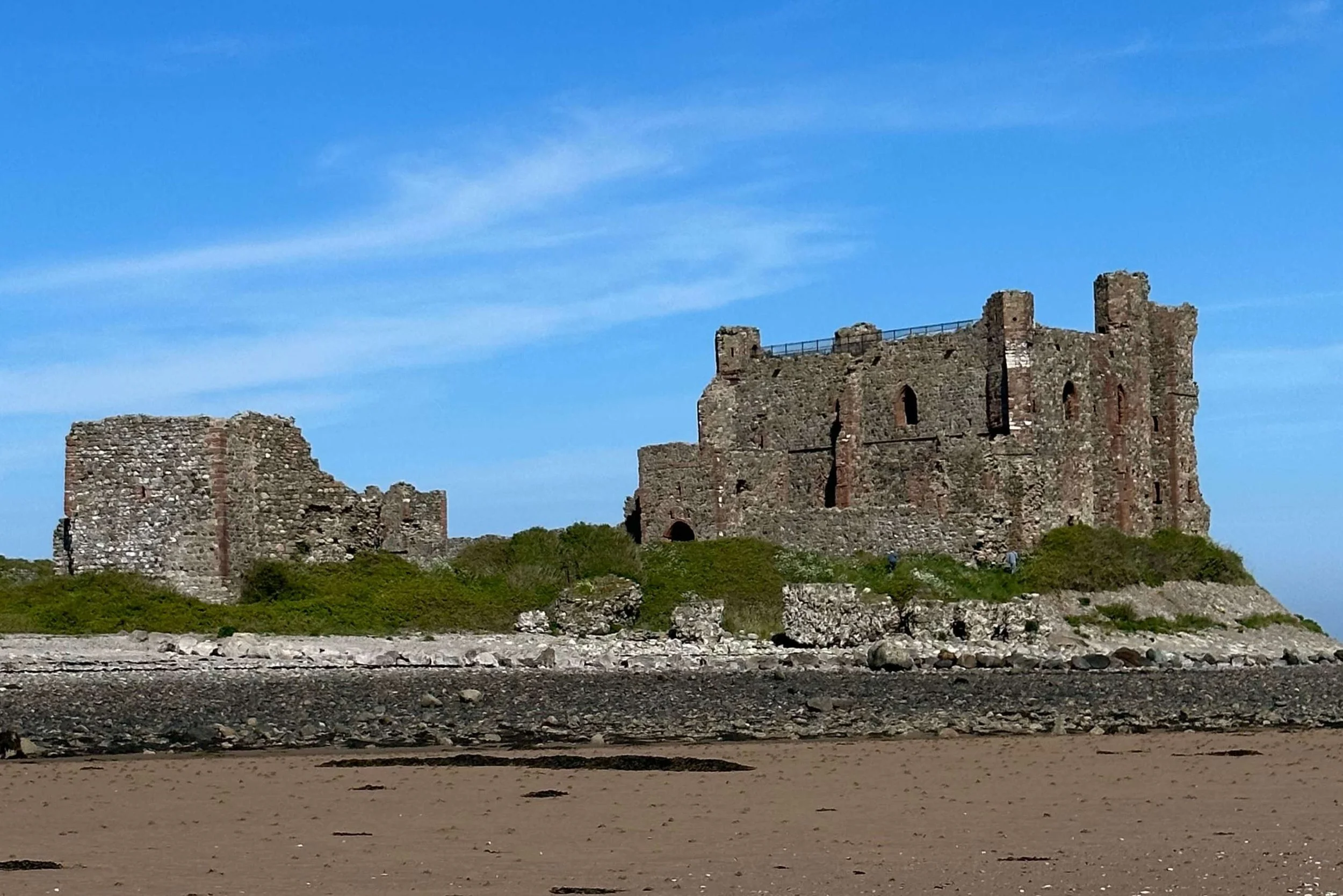
Piel Castle
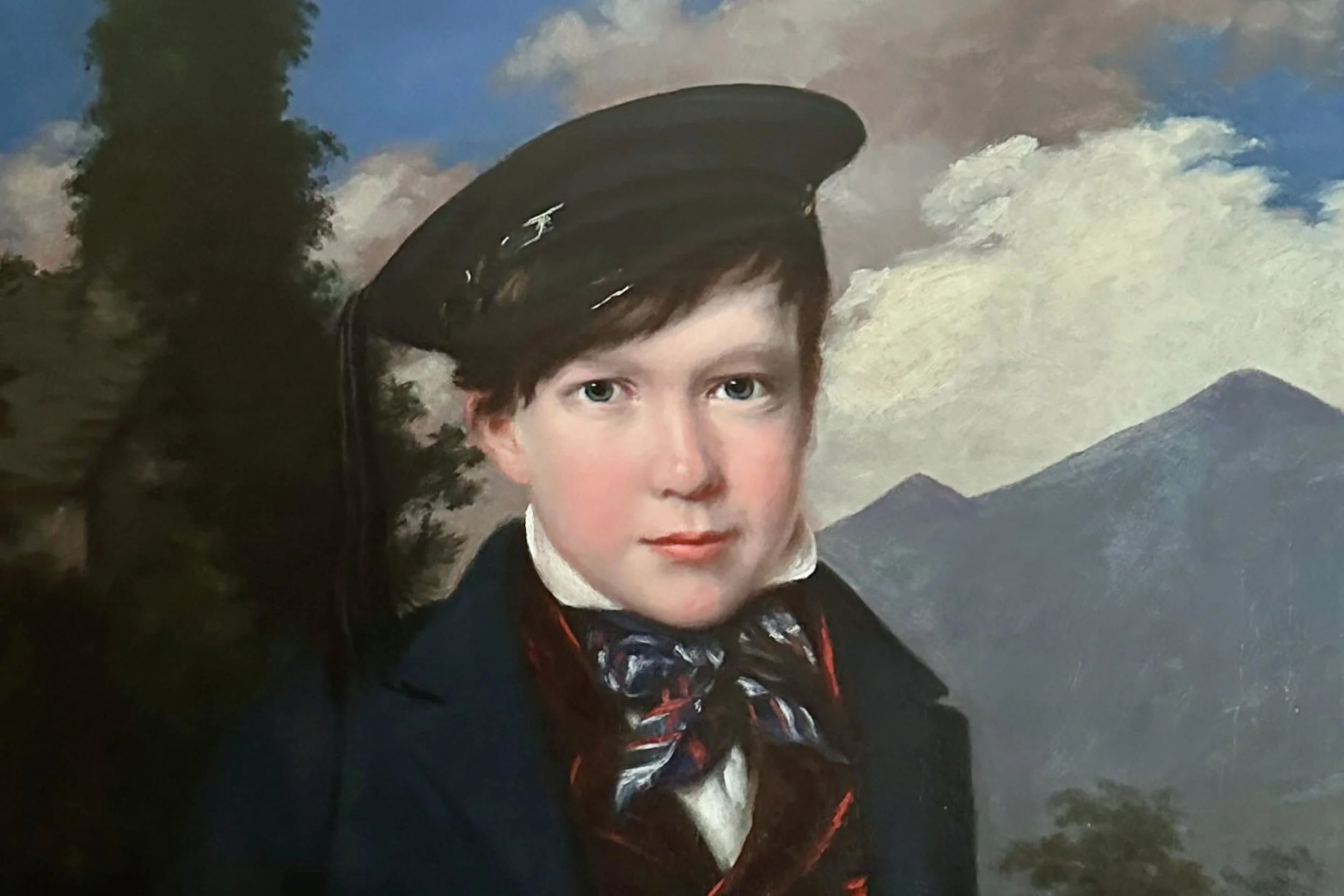
Young Master Browne
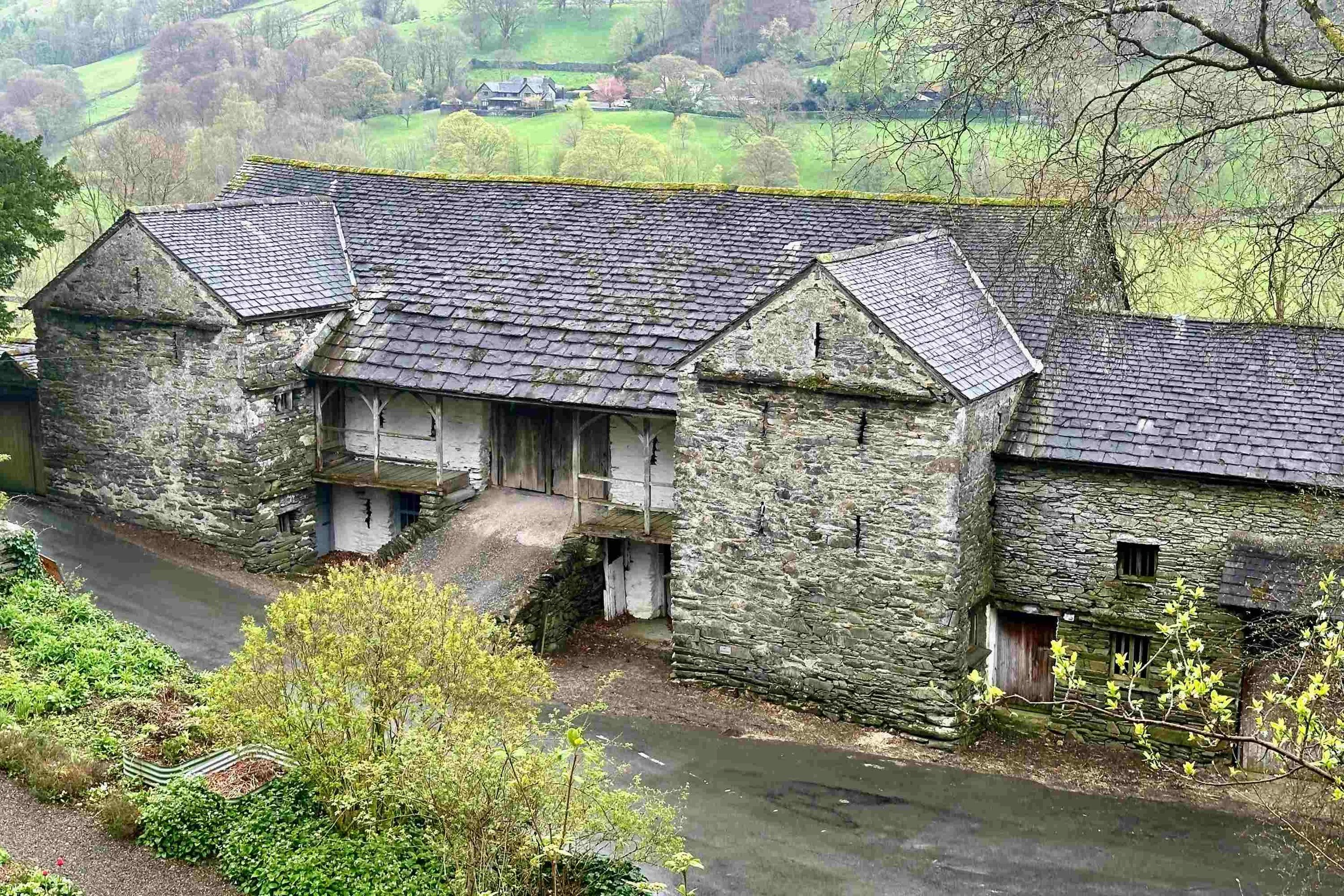
Troutbeck Barn, 1660
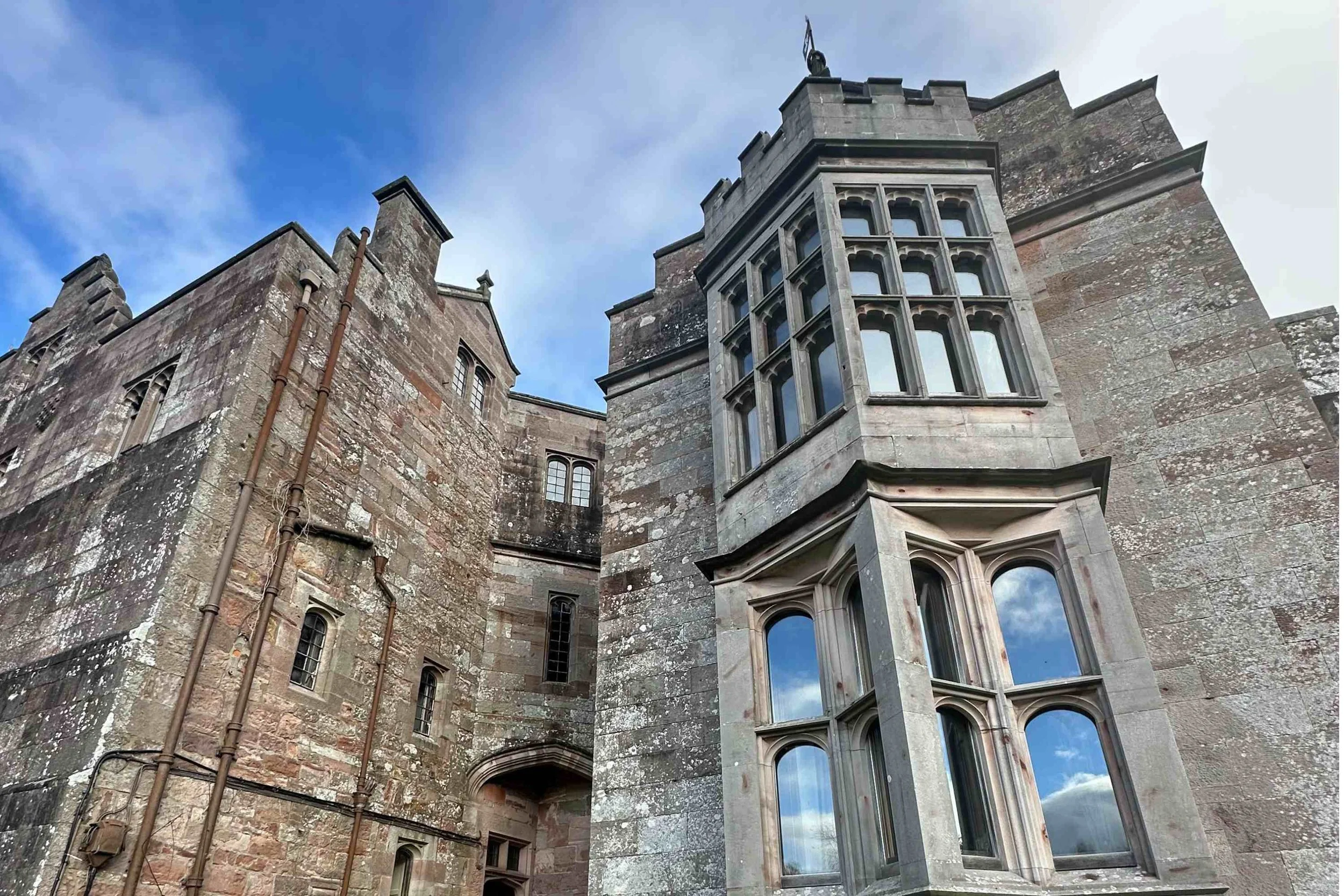
Greystoke Castle
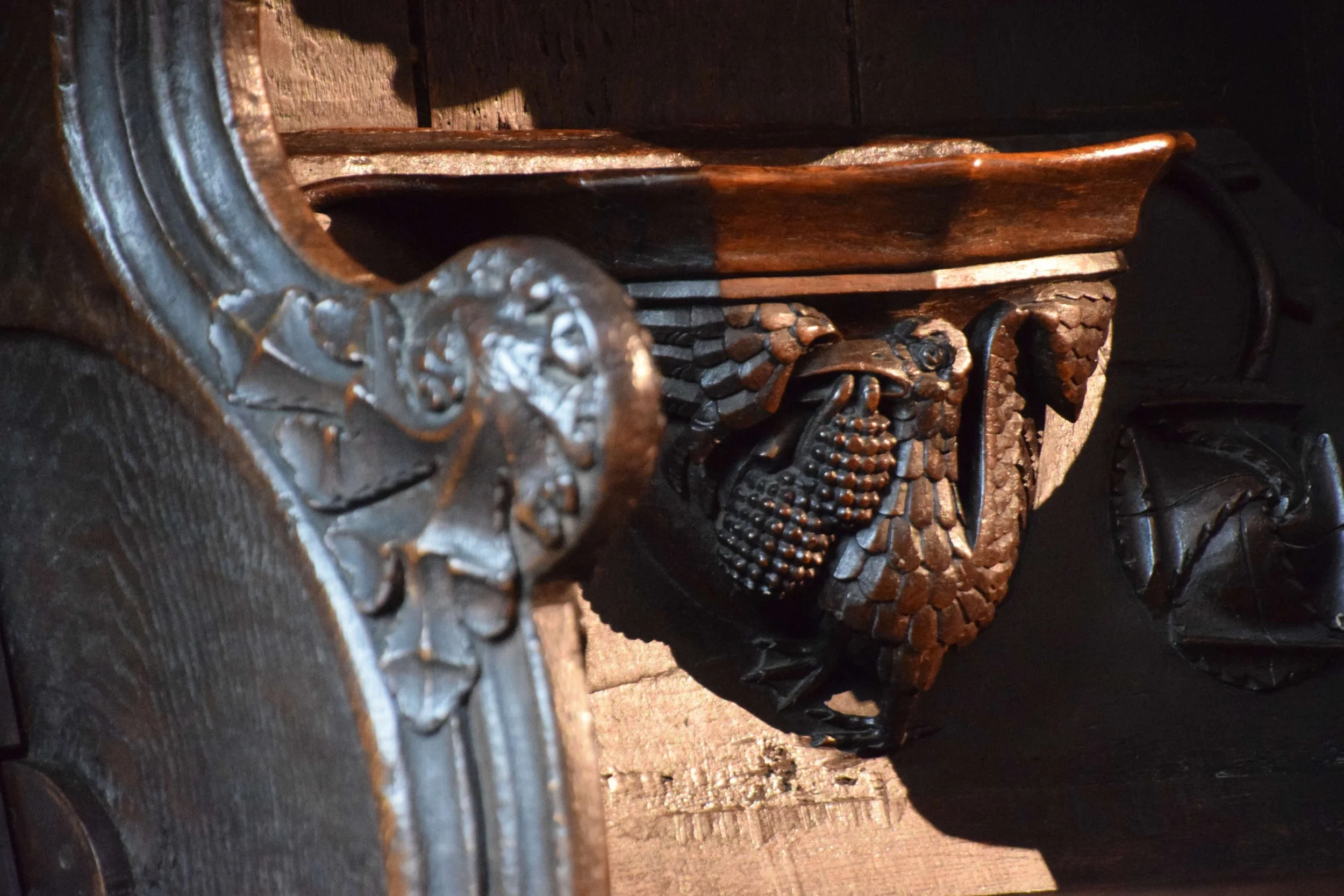
Cartmel Misericord
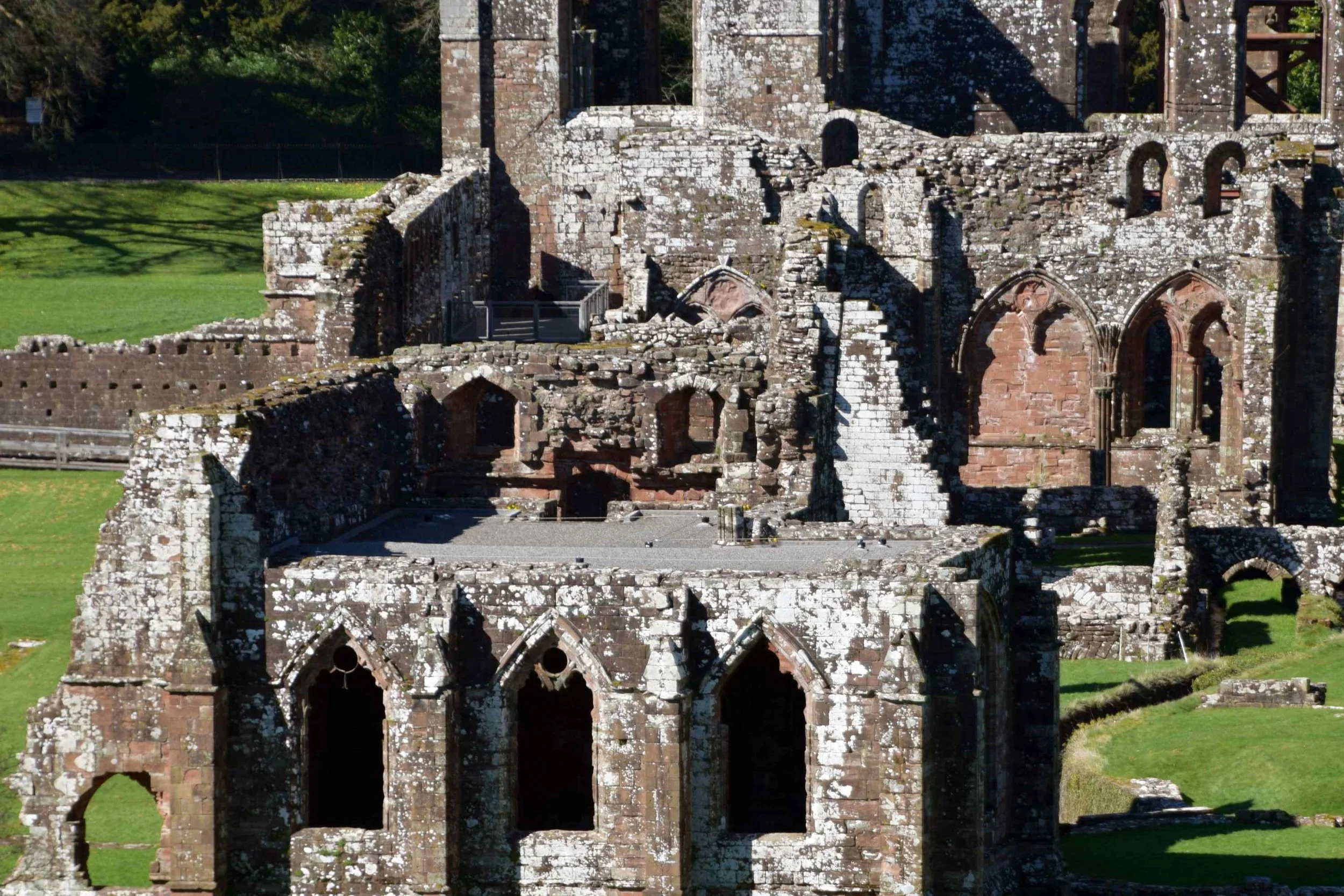
Furness Abbey
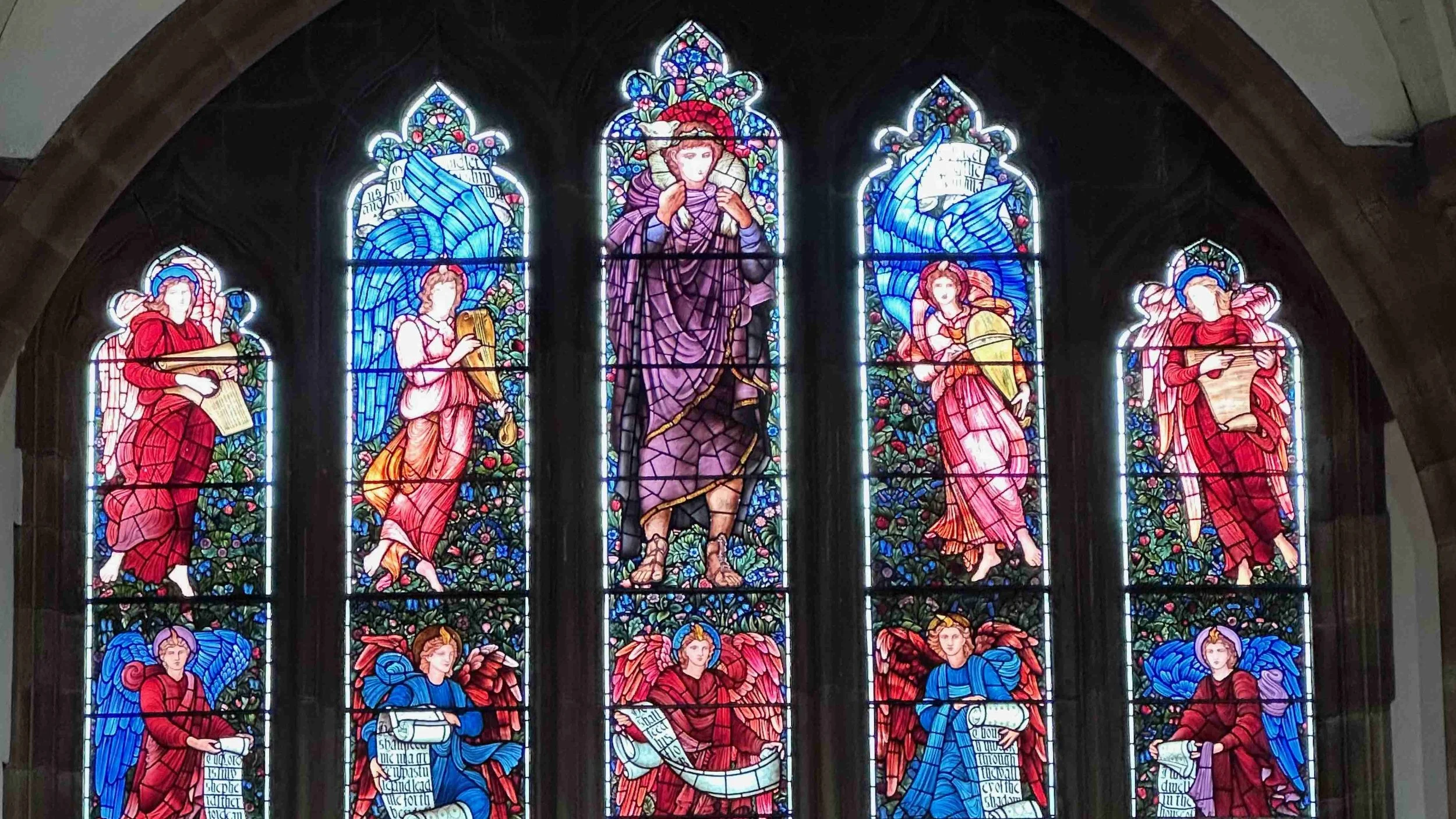
Edward Burne-Jones stained glass
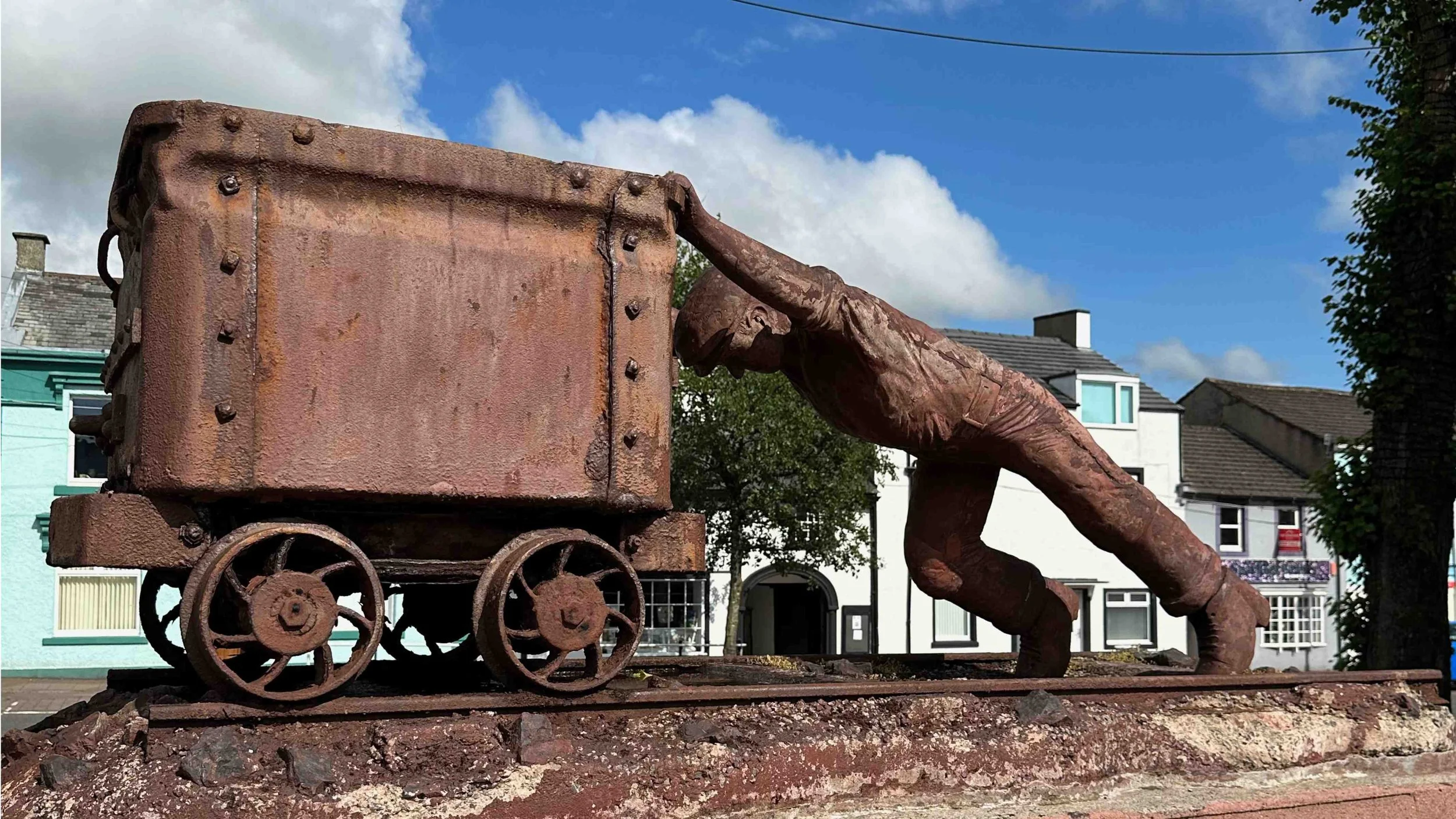
Iron Mining
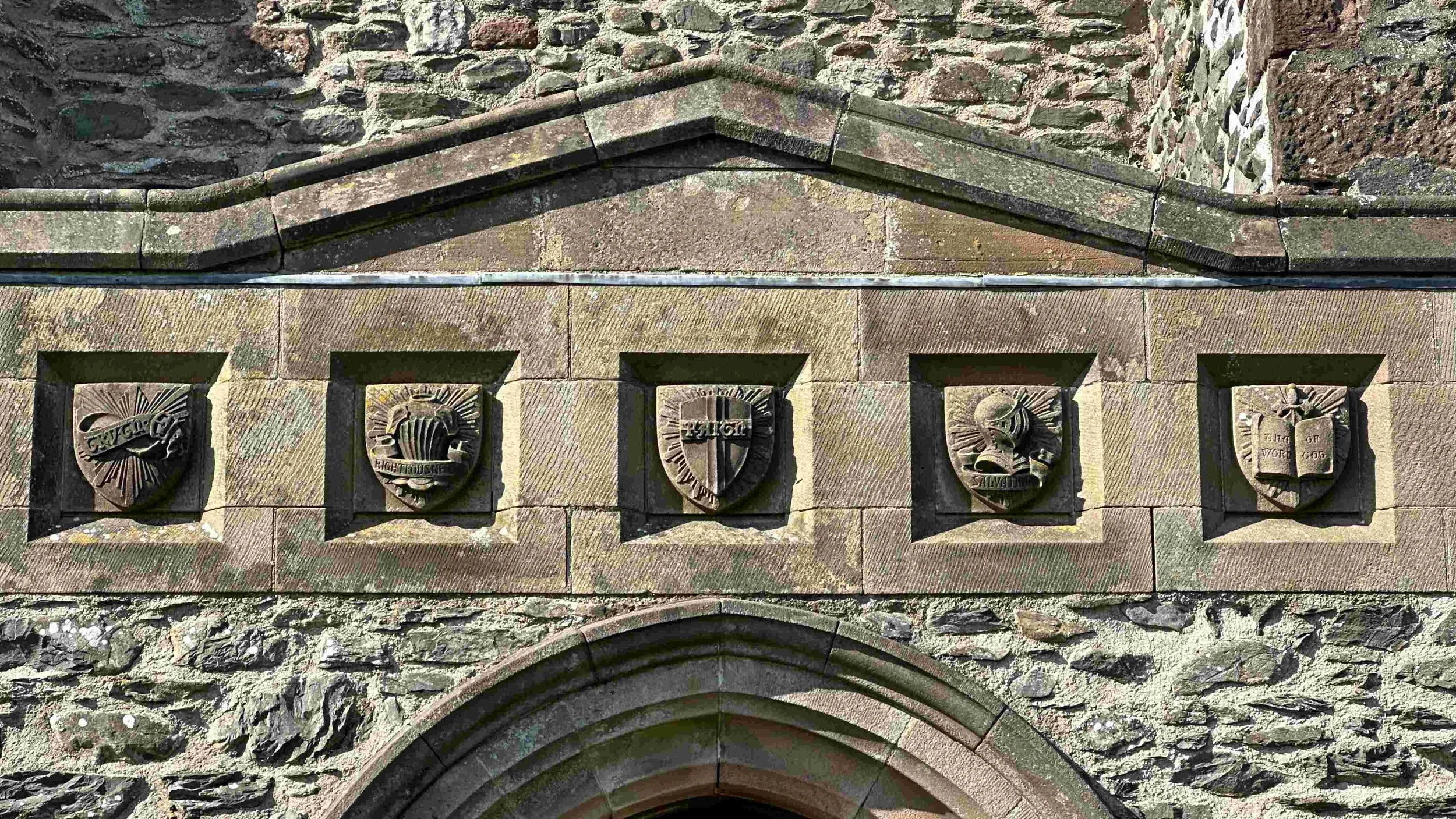
Pennington Church
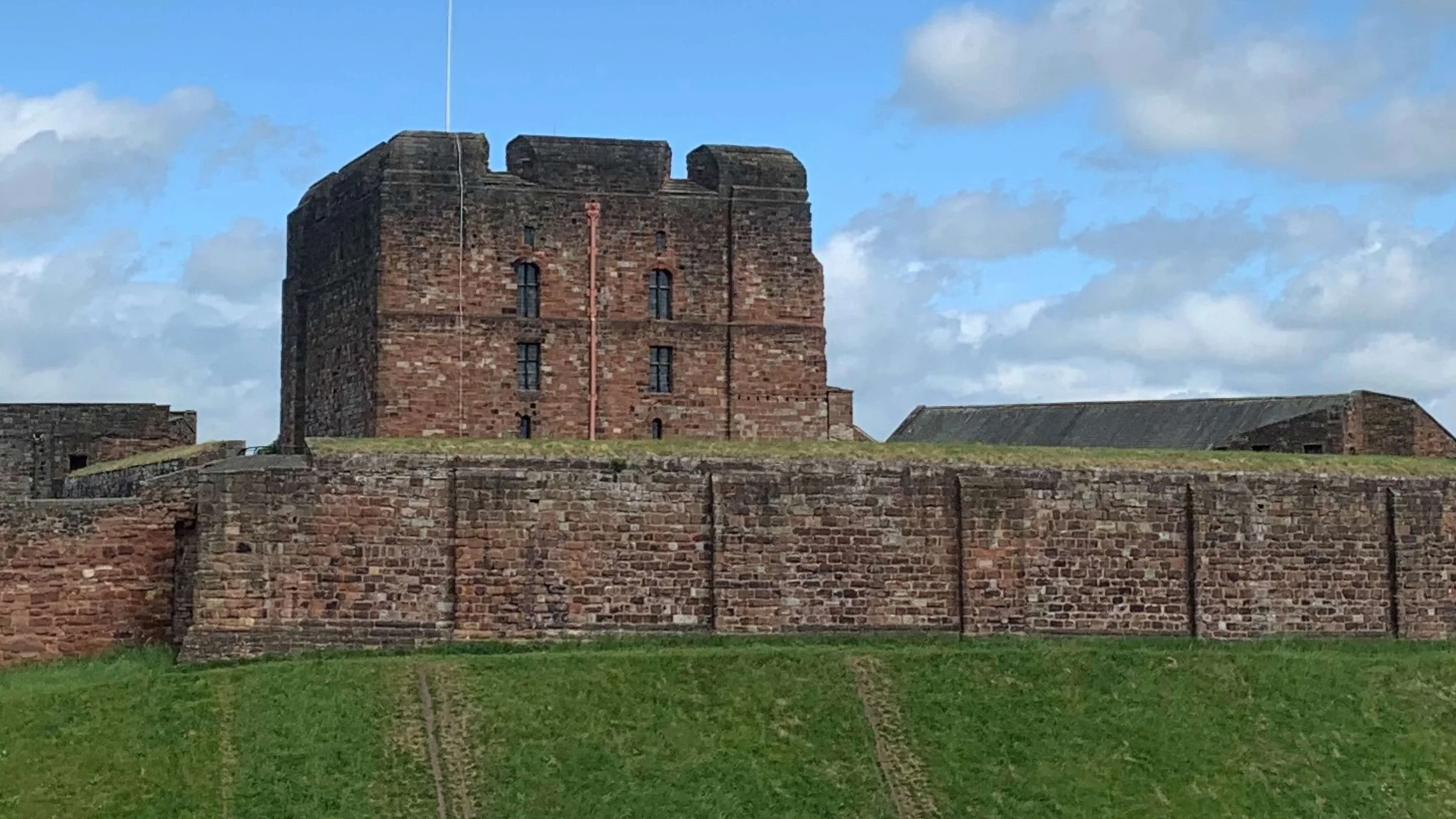
Carlisle Castle
History & Heritage
Discover the people, places and stories that shaped Cumbria and the Lake District.
Cumbria's history is written into its landscape. From imposing castles and medieval abbeys to ancient parish churches, country houses and traditional farms, the region holds an extraordinary collection of historic places.
But the most interesting stories are often found beyond the grand buildings. They lie in the lives of ordinary people, the craftsmanship of earlier generations and the communities that shaped the landscape we see today.
A private History & Heritage experience offers the opportunity to explore these connections, discovering not simply what happened, but why it mattered.
Castles, Conflict & the Borderlands
For centuries, Cumbria occupied a contested frontier between England and Scotland. Its castles tell stories of military ambition, powerful families, shifting loyalties and the struggles of life in the borderlands.
Explore the formidable defences of Carlisle Castle, the atmospheric ruins of Piel Castle, built by Furness Abbey to protect its interests and maritime trade, or the remains of medieval strongholds scattered across the countryside. More than 60 castles and fortified residences are recorded across Cumbria, alongside numerous pele towers, many of which were later incorporated into manor houses and other buildings.
These places reveal a turbulent history that shaped the region's political identity, architecture and communities..
Abbeys, Priories & Parish Churches
Cumbria's churches and religious houses offer a remarkable journey through more than a thousand years of history. Some stand on sites associated with early Christian worship, while the great medieval abbeys and priories reveal the wealth, influence and ambitions of the religious communities that once shaped the region.
At Furness Abbey and Cartmel Priory, discover the extraordinary craftsmanship of medieval builders and the profound changes brought by the Dissolution of the Monasteries. Elsewhere, parish churches contain remarkable treasures, from ancient stone carvings and elaborate woodwork to beautiful stained glass spanning the medieval period, the Victorian Pre-Raphaelites and distinguished artists of the twentieth century.
These buildings are far more than places of worship. They are living records of artistic achievement, local identity and the communities that have cherished them across generations.
Historic Houses & Everyday Lives
Cumbria has dozens of historic houses and estates, ranging from the romantic ruins of Lowther Castle, once one of the region's grandest country houses, to the intimate, homely interiors of Townend in Troutbeck, where generations of the Browne family lived for over 300 years.
At Levens Hall, Holker Hall and other great houses, discover remarkable architecture, beautiful interiors, art collections and historic gardens. These places reveal the wealth, ambitions and changing fortunes of the families who shaped the region.
Yet Cumbria's domestic history is not confined to grand estates. Traditional farmhouses, historic barns and village homes offer fascinating insights into the lives of yeoman farmers, craftsmen, servants and the communities that sustained them.
Together, these places tell the stories not just of wealth and privilege, but of everyday life, family traditions and the changing relationship between people and the land.
Industry, Trade & Innovation
Cumbria's industrial heritage stretches back over a thousand years, from the earliest iron-smelting bloomeries to some of the most advanced engineering facilities in twenty-first-century Britain.
Long before the Industrial Revolution, iron ore was being worked and smelted in small charcoal-fired bloomeries, the ironmaking technology of their day. During the medieval period, the monks of Furness Abbey became major participants in the region's iron industry, while mining, quarrying and woodland industries developed across the county.
Later centuries brought dramatic change. Copper, lead, iron ore and coal mining, alongside water-powered mills, ironworks, railways and shipbuilding, transformed Cumbria's economy, landscapes and communities. Their legacy can still be discovered in abandoned mine workings, historic industrial buildings and settlements shaped by generations of workers.
That tradition of innovation continues today. At Barrow-in-Furness, a town transformed by nineteenth-century ironmaking and shipbuilding, BAE Systems operates the UK's centre for designing and constructing nuclear-powered submarines, including some of the most technologically advanced vessels ever built for the Royal Navy.
From medieval bloomeries to modern nuclear submarines, Cumbria offers an extraordinary journey through the evolution of British industry and engineering.
Your History & Heritage Experience
From magnificent medieval abbeys and castles to the intimate stories of historic houses, ancient craftsmanship and the remarkable evolution of Cumbria's industries, the region offers an extraordinary breadth of history to discover.
Whether your passion lies in architecture, art and stained glass, the lives of earlier generations, or the ingenuity that connects medieval ironmaking with modern engineering, your day can be shaped around what fascinates you most.
There is no fixed itinerary. We can explore a particular period, follow a historical theme or bring together contrasting places and stories to reveal the remarkable depth and diversity of Cumbria's heritage.
Discover the stories behind the places.